Emergency plumbing & leak detection
Emergency plumbing repairs and leak detection, plus camera inspections, preventative maintenance and warranty work.
- Licensed, bonded & insured
- Se habla español
- 5.0 on Google
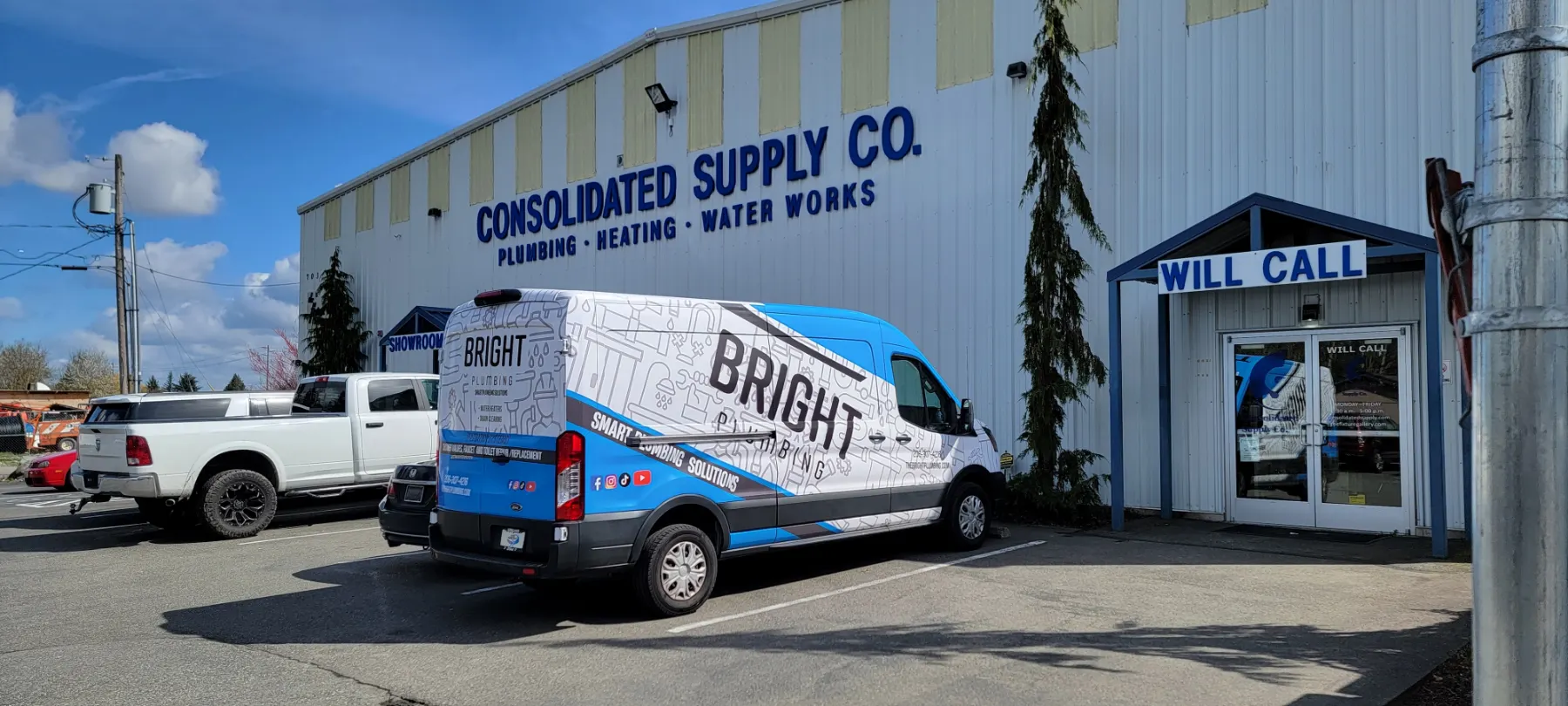
The first five minutes of a leak
What you do before anyone arrives can decide whether a leak ends up as a quick repair or an insurance claim.
What's the very first thing to do?
Shut the water off. For a single fixture there's usually a small valve underneath or behind it. For anything bigger, use the main shutoff where the water line enters the house, often in the crawlspace, garage or near the water heater. Find yours now, not in the middle of a flood, and make sure it actually turns. Old valves are often seized solid, and that's worth fixing before you need it.
Should I turn off the water heater too?
If the leak is at the water heater, or you're about to drain the lines, yes. Switch off the breaker on an electric heater, because heating elements that run without water around them burn out. On a gas heater, turn the control to pilot or off. If the heater itself is leaking, also close the cold water valve at the top of the tank.
How can I tell if there's a leak I can't see?
Ask your water meter. Turn off every faucet and water-using appliance, then check the meter. Most have a small leak indicator, often a triangle or a little dial, that turns whenever water is flowing anywhere in the house. If it's moving with everything off, water is going somewhere. The EPA puts the average household's leaks at thousands of gallons a year, and most of them are small and silent.
Which parts of a house tend to fail without warning?
The ones that sit under pressure all day: washing machine hoses, braided supply lines under sinks and toilets, the ice maker line behind the fridge, and water heaters past their prime. None of them drip much before they let go. Swapping old rubber washer hoses for braided ones, and aging supply lines for new ones, is one of the cheapest flood insurance policies there is.
Why does it matter who does the repair?
In Washington, plumbing work on someone else's property has to be done by a plumber certified by the Department of Labor & Industries. It matters after the fact, too. Permitted work gets inspected against state code, and insurers and equipment warranties can depend on a proper installation.
Sources: EPA WaterSense: Fix a Leak Week, Washington L&I: plumber certification, Chapter 18.106 RCW: plumbers.
Need general plumbing work?
Book online and pick a time that suits you, or call and talk it through with us.